All Categories
Featured
Table of Contents
- – Integrating Physical Sales Points with Virtual...
- – Technological Structures for Real-Time Stock C...
- – Methods for Hyper-Local Fulfillment and Circul...
- – The Function of Predictive Analytics in Stock...
- – Dealing with the Challenges of Software And H...
- – Improving the Customer Experience through Unif...
- – The Future of Retail Operations in the region
- – Last Thoughts on Integrated Systems

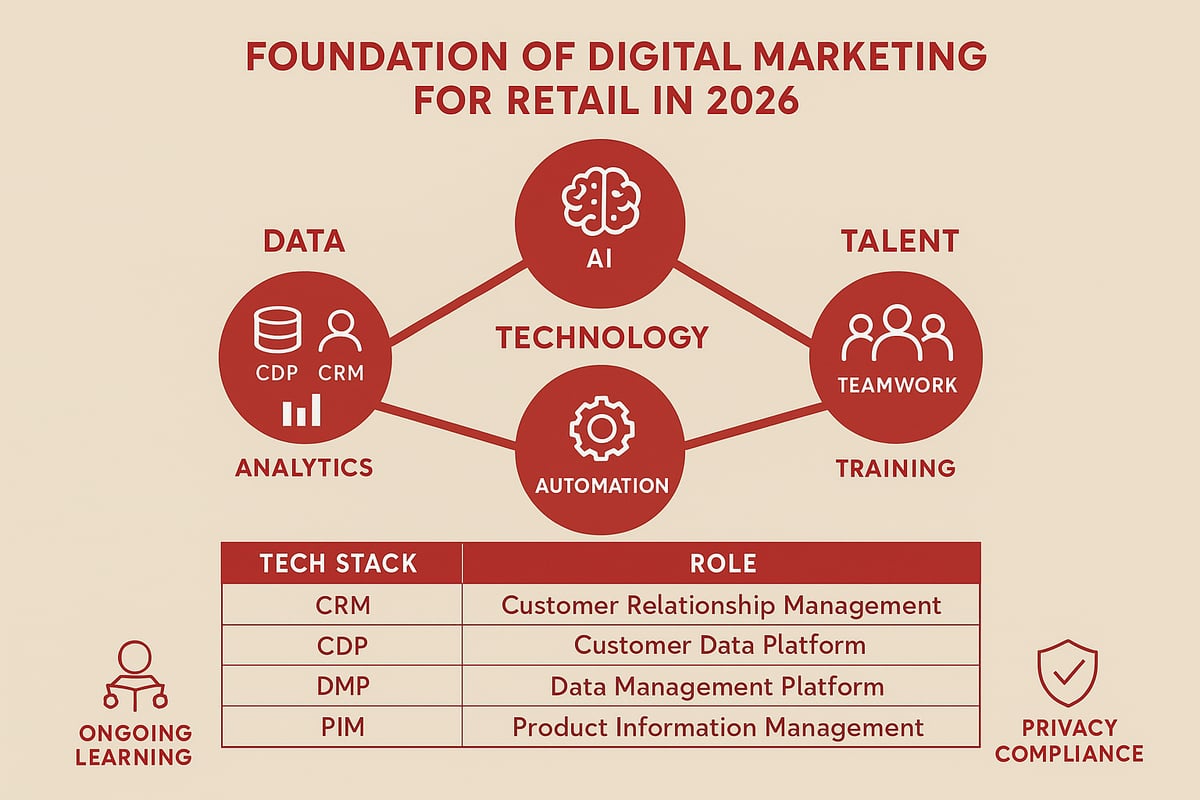
Integrating Physical Sales Points with Virtual Storage Facilities in 2026
Retail operations in 2026 no longer treat the physical store and the online shop as different entities. The friction that as soon as existed between a walk-in purchase and a web-based order has mainly vanished due to more sophisticated data management techniques. Organizations in the local market now focus on instant presence of their stock across all locations to prevent the dreaded overselling of items. When a client purchases a coat in a physical store, the digital brochure throughout every platform should show that modification in seconds. This level of coordination is the standard for contemporary distribution.The shift toward an unified inventory model comes from the increase of multi-channel surfing. Consumers often research products on mobile phones while standing in the physical aisle or inspect local availability before leaving their homes in the surrounding region. If the digital inventory states an item is in stock but the shelf is empty, the brand name loses more than a sale. It loses trust. Keeping this balance requires a point of sale system that does not just process charge card but acts as a central node for all incoming and outgoing product data.
Technological Structures for Real-Time Stock Control
Modern POS systems are built on cloud-native architectures that support high-frequency updates. In 2026, the latency in between a physical deal and a digital update has actually dropped to sub-second levels. This speed is attained through API-first styles that allow the retail software application to communicate with storage facility management systems without hold-up. Lots of retailers have actually moved away from end-of-day batch processing, which utilized to cause disparities that took hours to resolve.The demand for International Growth for APL continues to increase as organizations understand that handbook counting is no longer feasible for high-volume sales. Automated systems now manage the bulk of the tracking, using sensors and smart tagging to monitor movement from the backroom to the checkout counter. This automation permits staff to concentrate on customer interaction rather than scanning barcodes for hours. When the POS is incorporated with a modern stock tracking tool, the system can even activate automatic reorders when a specific limit is reached.
Methods for Hyper-Local Fulfillment and Circulation
Among the most effective methods for 2026 involves using physical shops as micro-fulfillment centers. Instead of shipping every online order from a far-off warehouse, retailers use their shops in local neighborhoods to meet local deliveries. This decreases shipping expenses and reduces wait times for the customer. This technique only works if the stock information is completely precise. A store can not fulfill a "buy online, get in-store" order if the last unit was just offered to a person at the register.To manage this, advanced merchants utilize buffer stock logic. The system might "hide" the last two units of a high-demand product from the online shop to make sure that a physical customer does not encounter an empty shelf. Alternatively, it might prioritize the online order if the shipping due date is near. Business that have know-how in Custom Migration are typically the ones setting these logic guidelines to make the most of profit margins while preserving high customer fulfillment scores. These rules are not static. They change based upon the time of day, the season, or perhaps the present weather condition in the local area.
The Function of Predictive Analytics in Stock Management
In 2026, inventory management is more about prediction than response. Systems now analyze years of sales data to anticipate what will offer in specific places. A shop in a seaside location might see an increase in particular kinds of gear 3 weeks before a vacation, and the incorporated POS system ensures that the physical racks are all set for that surge. This level of insight prevents overstocking, which is a significant drain on capital for small and medium-sized businesses.Data gathered from the digital side of the service-- such as most-viewed items or frequently deserted carts-- notifies what need to be positioned in the physical storefront. If people in a particular postal code are continuously browsing for a particular product online, the retail manager can make sure that item is prominent in the regional window display. This develops a feedback loop where digital habits dictates physical layout.
Dealing with the Challenges of Software And Hardware Combination
Transitioning to a totally incorporated system is not without its problems. Older hardware often lacks the processing power to deal with consistent information streaming. Merchants frequently find that they need to change tradition terminals to stay up to date with the needs of modern digital sales platforms. This capital investment can be daunting, however the expense of preserving disjointed systems is usually greater in the long run.Security is another significant consider 2026. With more gadgets connected to the main stock database, the surface area for possible information breaches grows. Modern POS systems utilize end-to-end file encryption and decentralized information storage to protect sensitive consumer information. Every transaction at the physical register must be as protected as a checkout on a major e-commerce website. Organizations are increasingly turning to Advanced Unified Commerce Systems to guarantee their facilities satisfies current safety standards while staying quick enough for day-to-day operations.
Improving the Customer Experience through Unified Data
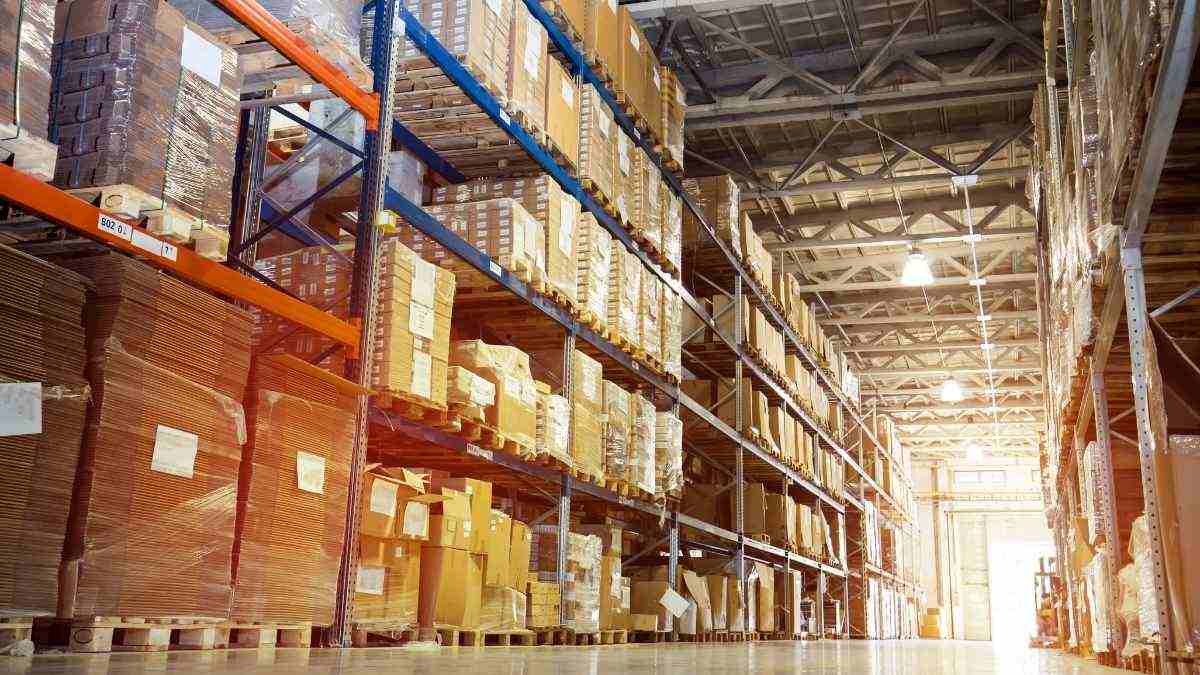
The most noticeable advantage of incorporating physical and digital stock is the improvement in the shopping experience. Clients in 2026 anticipate a high degree of customization. When they stroll into a shop, a salesperson with a tablet can see their digital purchase history and suggest complementary items that are currently in stock at that particular place. This bridges the space between the privacy of a congested store and the tailored experience of an online algorithm.Returns and exchanges likewise become much easier. A client who purchased an item online can return it to a physical store in the local vicinity without the cashier requiring to call an aid desk to confirm the order. The integrated system acknowledges the deal immediately, processes the refund, and puts the product back into the regional inventory for immediate resale. This fluidity gets rid of the aggravation frequently associated with cross-channel shopping.
The Future of Retail Operations in the region
As we look even more into 2026, the difference in between "online" and "offline" will likely disappear entirely. We are seeing a relocation towards "headless" commerce, where the back-end inventory and payment logic are decoupled from the front-end interface. This indicates a seller could sell items through a clever mirror, a mobile app, a physical register, or even a social media post, all pulling from the exact same real-time data pool.Success in this environment needs a commitment to data health. If the preliminary information entry is flawed, the entire system breaks down. Sellers need to execute strict protocols for receiving brand-new deliveries and logging returns. Even the most advanced AI can not fix an inventory count that was gone into improperly at the loading dock. Consistency stays the most crucial element in keeping the system operational.
Last Thoughts on Integrated Systems
The relocate to incorporate physical POS with digital inventory is no longer a high-end for the biggest brand names. It has actually ended up being a requirement for any business that desires to stay competitive in the regional market. By removing the barriers between different sales channels, sellers can run more effectively, reduce waste, and supply a much better experience for the individuals they serve. The technology of 2026 has actually made these objectives more achievable, but the method behind the tech is what eventually identifies the result. Those who prioritize information precision and sub-second synchronization will discover themselves well-prepared for the shifts in customer habits that continue to shape the retail market. Management of these systems is a continuous procedure that needs regular updates and a keen eye on the changing technical requirements of the modern-day market.

Table of Contents
- – Integrating Physical Sales Points with Virtual...
- – Technological Structures for Real-Time Stock C...
- – Methods for Hyper-Local Fulfillment and Circul...
- – The Function of Predictive Analytics in Stock...
- – Dealing with the Challenges of Software And H...
- – Improving the Customer Experience through Unif...
- – The Future of Retail Operations in the region
- – Last Thoughts on Integrated Systems
Latest Posts
Mastering Analytics Guides for Shop Growth
Building a Impactful Influencer Strategy for 2026
Optimizing Online Search Rankings to Ensure Proven Success
Latest Posts
Mastering Analytics Guides for Shop Growth
Building a Impactful Influencer Strategy for 2026
Optimizing Online Search Rankings to Ensure Proven Success