All Categories
Featured
Table of Contents
Adapting Worldwide Supply Chains for Localized Fulfillment in 2026
The speed of retail moved significantly by 2026. Centralized warehouses situated hundreds of miles from metropolitan centers no longer meet the expectations of consumers who want items in minutes rather than days. Global brand names have moved toward a decentralized model where stock beings in little, high-density pockets within neighborhoods. This hyper-local technique allows companies to take on regional shops while maintaining the scale of a multinational corporation.
Micro-fulfillment centers typically inhabit spaces as small as 5,000 square feet. These are tucked into basement levels of office complex, repurposed parking garages, or the back spaces of existing retail shops. By putting high-demand products better to the end user, brand names lower the complexity of the final leg of transportation. Company models concentrating on Storefront Integration see much faster turn-around times than those counting on traditional shipping paths.
Logistics in 2026 depends upon granular data. Global brands use expert system to predict precisely what locals in a specific zip code will buy before they even click the purchase button. This predictive equipping makes sure that the restricted rack area in an area node is never squandered on slow-moving items. A brand might equip heavy winter coats in a northern city district while focusing on light rain equipment in a coastal area just miles away, based entirely on real-time weather condition patterns and regional search trends.
Integrating Modern Delivery Tools into Multi-Channel Circulation
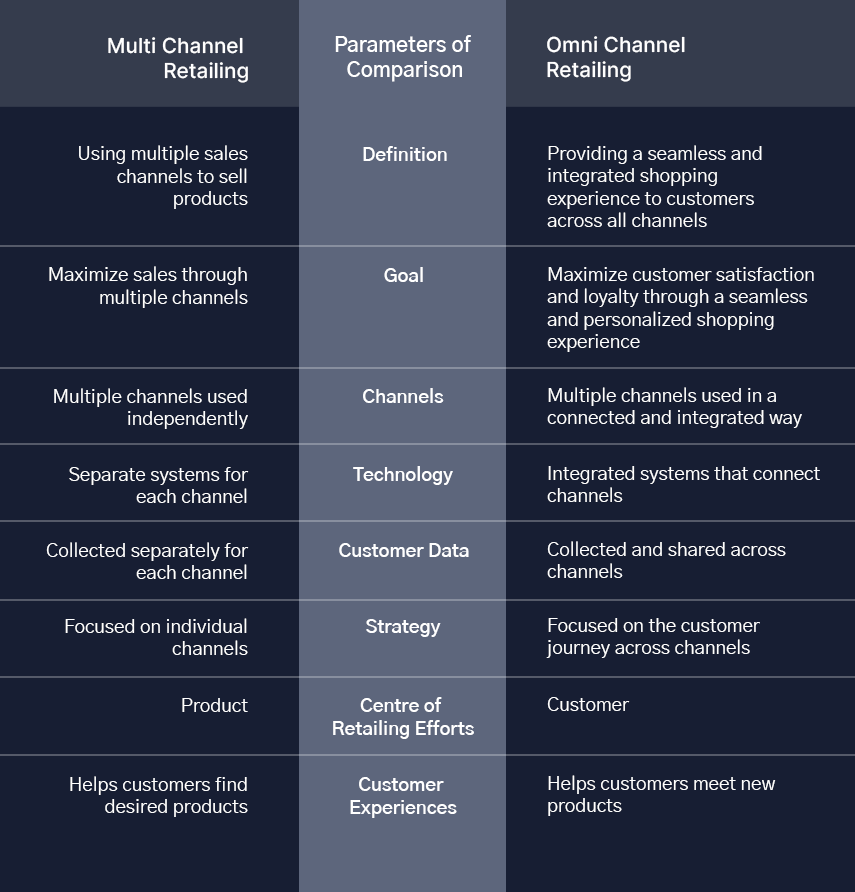
Retailers no longer see online and offline sales as different streams. The physical store has progressed into a multi-functional space that functions as a showroom, a return center, and a rapid-delivery node. When a consumer orders a pair of sneakers through a mobile app, the stock may come from a shelf just three blocks away rather than a huge local circulation. This integration needs a level of stock precision that was challenging to attain in the past.

Radio frequency identification and computer system vision sensing units track every item in real-time. This accuracy avoids the common 2026 disappointment of an item appearing in stock online however being missing out on from the physical rack. More business are turning to Seamless Storefront Integration Tactics to keep functional effectiveness throughout these varied touchpoints. The goal is to make the shift in between a digital cart and a physical doorstep as fluid as possible.
The function of the store associate has also changed. In 2026, lots of workers invest their shifts choosing and packing orders for local carriers as much as they spend assisting walk-in clients. This dual-purpose staffing model helps brand names validate the high cost of city genuine estate. By turning a retail store into a partial storage facility, the brand takes full advantage of the energy of every square foot. This technique is particularly efficient in high-density cities where the cost of devoted commercial area is expensive.
Managing the Last Mile with Intelligent Logistics Solutions
The last of delivery stays the most pricey and intricate part of the supply chain. In 2026, the range of delivery methods has broadened to consist of electrical bikes, self-governing pathway robots, and heavy-lift drones in specific zones. International brands should handle these varied fleets to ensure that a three-mile shipment does not cost more than the item itself. Expense management at this level needs a sophisticated software application layer that can pick the finest lorry for each particular path.
Urban congestion has actually forced a relocation away from large shipment vans. Large cars struggle with parking and navigation in congested streets, often leading to delays and fines. Smaller, more agile electrical automobiles can navigate narrow alleys and bike lanes, enabling for quicker drops. The demand for Storefront Integration across Channels continues to rise as companies look for to bypass traffic congestion and pedestrian-only zones that have become more common in major cities over the last few years.
Automation plays a substantial role in the sorting process at area nodes. When a delivery gets here from a regional factory, automated systems quickly arrange products into bins predestined for particular regional routes. This minimizes the time a product sits fixed. Performance is measured in minutes in 2026, and any delay in the arranging procedure can result in a missed delivery window. Brand names that master this speed can offer "immediate" delivery services that were when reserved for food and groceries.
Sustainability and the Hyper-local Shift
Ecological concerns drive much of the push toward hyper-local networks. By reducing the distance a package takes a trip, brand names considerably lower the carbon emissions connected with each order. Delivering an item 500 miles involves numerous planes or heavy trucks, while a hyper-local delivery might only include a brief trip on an electrical freight bike. This decrease in "package miles" is a key metric for business sustainability goals in 2026.
Product packaging has actually also seen a modification. Because hyper-local deliveries do not go through the rigors of long-haul arranging facilities, they need less protective cushioning and smaller sized boxes. Some brands have relocated to multiple-use containers that the messenger takes back instantly after the customer obtains their item. This circular product packaging model lowers waste and lowers the cost of materials over time. Consumers in 2026 favor brands that demonstrate a clear dedication to lowering their physical footprint in their own neighborhoods.
Sound contamination is another consider urban areas. Electric fleets operate a lot more silently than traditional combustion engines, permitting morning or late-night shipments without troubling locals. This versatility assists spread out the shipment load across more hours of the day, avoiding the mid-day "shipment rush" that utilized to obstruct city streets. Regional federal governments have actually responded by supplying incentives for brands that utilize quiet, emission-free shipment methods.
The Economics of Localized Stock in 2026
While the benefits of hyper-local delivery are clear, the monetary investment is considerable. Maintaining lots of little stock nodes is more pricey than running one large warehouse. Brand names must stabilize the increased cost of lease and decentralized staffing against the savings in shipping charges and the increase in customer loyalty. In 2026, the data reveals that customers are willing to pay a premium for speed, which assists balance out these functional costs.
Subscription designs have ended up being the main way brand names capture this worth. Customers pay a regular monthly fee to access limitless fast delivery from a network of regional nodes. This provides the brand with a predictable earnings stream and encourages the consumer to combine their shopping with a single service provider. The competition in between international giants often comes down to who has the most trustworthy network in a particular city. A brand name may be the leader in one city however struggle in another where its neighbor-node density is lower.
The shift also affects how brand names handle returns. Localized networks permit "reverse logistics" that are just as fast as the initial delivery. A client can ask for a return, and a carrier can select up the item within the hour. The item is then examined and put back into the regional inventory pool immediately, rather than being shipped back to a distant return. This keeps high-value stock in circulation and decreases the requirement for massive overstocking.
Future Outlook for Neighborhood Circulation
As we move through 2026, the line between a storage facility and a retail shop will continue to blur. We might see more "dark stores" that do not allow foot traffic at all, serving solely as fulfillment points for a specific brand name's online orders. These areas permit even greater density storage and more efficient automated choosing systems. The most successful brand names will likely maintain a mix of public-facing display rooms and concealed satisfaction nodes to please different consumer requirements.
Technological improvements in 2026 are making it easier for smaller sized brands to join these hyper-local networks. Third-party logistics suppliers now use "neighborhood-as-a-service" designs, where numerous small brand names share space in a single metropolitan fulfillment center. This levels the playing field, enabling a store designer to offer the very same delivery speeds as a global conglomerate. This shared infrastructure lowers the cost for everybody and makes sure that urban spaces are utilized as effectively as possible.
The success of hyper-local delivery depends on a brand name's capability to remain unnoticeable yet universal. The goal is for the logistics chain to operate so quietly and quickly that the customer never has to consider where their product is originating from. In 2026, the brand names that have actually mastered this proximity are the ones winning the fight for the modern consumer's attention and budget plan.

Latest Posts
Mastering Analytics Guides for Shop Growth
Building a Impactful Influencer Strategy for 2026
Optimizing Online Search Rankings to Ensure Proven Success